
Classic Literature· United Kingdom
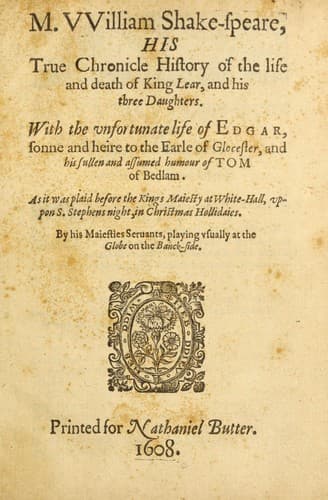
King Lear
by William ShakespeareAggregate Editorial Score39/100
Times Literary Supplement
Published 1606193 pagesEnglish
Buy on Amazon → About This Book
Published in 1606, King Lear established William Shakespeare as one of the defining voices in classic literature. An aging king divides his kingdom among his daughters, with catastrophic consequences. Shakespeare's greatest tragedy is a cosmic meditation on power, loyalty, madness, and the cruelty of the world. Themes of power, family, madness run through the work. The book has received recognition from Times Literary Supplement 1606.
Book Details
About the Category
🏛️ Classic Literature
Enduring works that have shaped world literature across centuries.
Explore all Classic Literature books →Country of Origin
🇬🇧 United Kingdom
This book is part of United Kingdom's rich literary tradition.
Explore books from United Kingdom →Editorial Assessment
King Lear showcases Shakespeare's profound exploration of human nature, authority, and familial bonds through the tragic descent of the aging king into madness. The juxtaposition of Lear's pride and vulnerability highlights themes of betrayal and the quest for identity amidst chaos. Its stark portrayal of the consequences of folly and the harsh realities of justice resonates with timeless relevance, establishing it as a cornerstone of tragic literature.
About this assessment: Editorial scores are aggregated from 1 independent sources including major literary prizes, critical surveys, and leading publications. Our editorial team reviews and contextualises this data. Rankings reflect critical consensus, not personal opinion or popularity metrics. Learn about our methodology.
Awards & Recognition
Times Literary Supplement
list · global
160612
William Shakespeare is a celebrated author from United Kingdom known for influential works of classic literature.

What to Read Next
literary-fiction
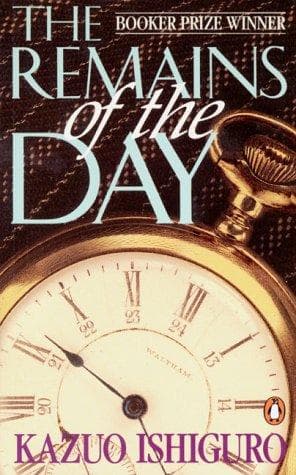
The Remains of the Day
Kazuo Ishiguro· 1989
★Nobel Prize in Literature★Booker Prize
Editorial Score100/100
literary-fiction
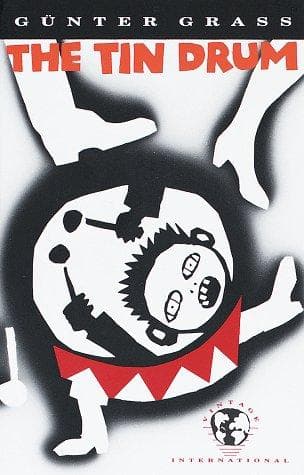
The Tin Drum
Günter Grass· 1999
★Nobel Prize in Literature
Editorial Score98/100

literary-fiction
Celestial Bodies
Jokha Alharthi· 2010
★Booker Prize
Editorial Score93/100
literary-fiction
The Grapes of Wrath
John Steinbeck· 1962
★Nobel Prize in Literature
Editorial Score90/100
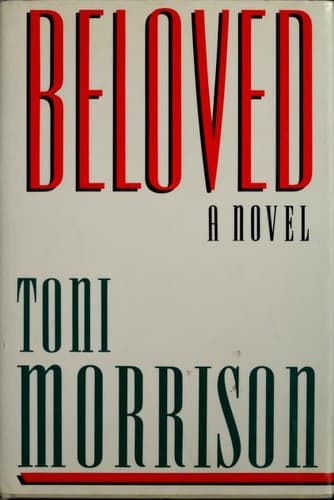
literary-fiction
Beloved
Toni Morrison· 1993
★Nobel Prize in Literature
Editorial Score85/100
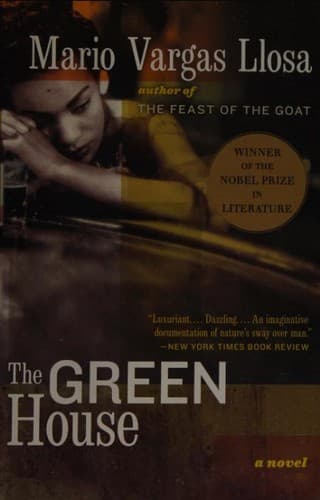
literary-fiction
The Green House
Mario Vargas Llosa· 1966
★Nobel Prize in Literature
Editorial Score84/100
Frequently Asked Questions
Popular on 50 Best Books
Best Science Fiction Books of All TimeScience FictionBooker Prize Winners — Complete List & GuideLiterary PrizesNobel Prize in Literature — Every Winner Since 1901Literary PrizesClassic Literature Reading List — 50 Essential BooksReading GuidesBest Books for Beginners — 20 Easy Reads for New BookloversReading Guides