
Philosophy· International
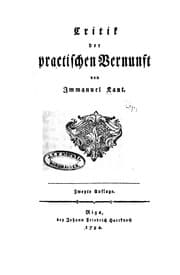
Kritik der praktischen Vernunft
by Immanuel KantAggregate Editorial Score46/100
#11,337of 99,626 books
Notable Work
Published 1788English
Buy on Amazon → About This Book
Immanuel Kant's Kritik der praktischen Vernunft (1788) stands as one of the most significant works of philosophy of its era. Kritik der praktischen Vernunft by Immanuel Kant (1788) is a notable work of philosophy.
Book Details
About the Category
🧠 Philosophy
Works examining fundamental questions about existence, knowledge, and ethics.
Explore all Philosophy books →Editorial Assessment
First published in 1788, Immanuel Kant's Kritik der praktischen Vernunft is a work of philosophy that has drawn sustained interest from critics and prize committees alike. Its engagement with the human condition gives the book a depth that extends well beyond its genre.
Critics and institutions have consistently placed Kritik der praktischen Vernunft among the notable works of its period. Our aggregate score of 46/100 is compiled from 1 editorial sources that range from Nobel and Booker committees to leading literary journals.
What distinguishes Kritik der praktischen Vernunft is how it handles its central concerns — the human condition — without reducing them to neat conclusions. The book invites close reading and holds up well to it.
Immanuel Kant's role in the literature of International is well established. Kritik der praktischen Vernunft can be read as both a standalone achievement and as part of a broader national literary conversation about identity, history, and the possibilities of narrative form.
About this assessment: Editorial scores are aggregated from 1 independent sources including major literary prizes, critical surveys, and leading publications. Our editorial team reviews and contextualises this data. Rankings reflect critical consensus, not personal opinion or popularity metrics. Learn about our methodology.
Awards & Recognition
Open Library
UNRANKED_LIST · global
18.4
Immanuel Kant is a International author whose work in philosophy has earned recognition from readers and critics alike.
What to Read Next
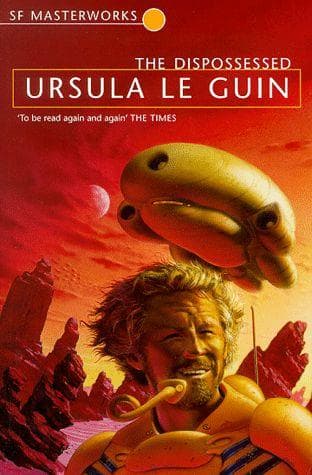
science-fiction
The Dispossessed
Ursula K. Le Guin· 1975
★Hugo Award★Nebula Award
Editorial Score83/100

literary-fiction
The Elegance of the Hedgehog
Muriel Barbery· 2006
★Nobel Prize in Literature
Editorial Score80/100
literary-fiction
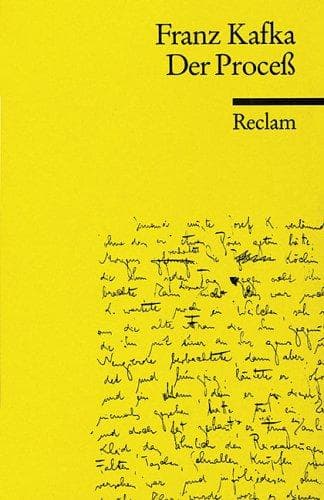
The Trial
Franz Kafka· 1963
★Nobel Prize in Literature
Editorial Score80/100
literary-fiction
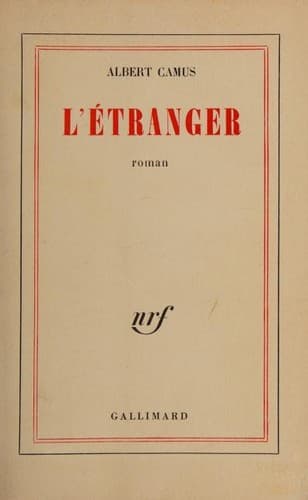
The Stranger
Albert Camus· 1957
★Nobel Prize in Literature
Editorial Score79/100
literary-fiction
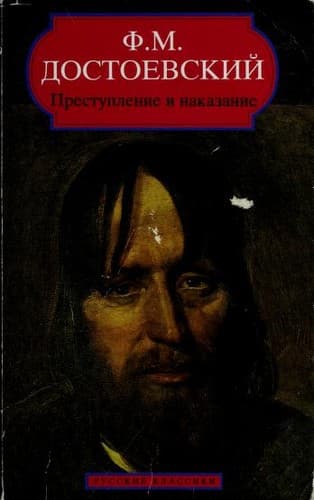
Crime and Punishment
Fyodor Dostoevsky· 1866
★Nobel Prize in Literature
Editorial Score76/100
literary-fiction
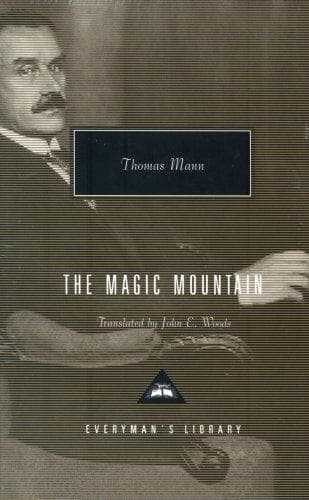
The Magic Mountain
Thomas Mann· 1929
★Nobel Prize in Literature
Editorial Score75/100
Frequently Asked Questions
Popular on 50 Best Books
Best Science Fiction Books of All TimeScience FictionBooker Prize Winners — Complete List & GuideLiterary PrizesNobel Prize in Literature — Every Winner Since 1901Literary PrizesClassic Literature Reading List — 50 Essential BooksReading GuidesBest Books for Beginners — 20 Easy Reads for New BookloversReading Guides