Literary Fiction· United Kingdom
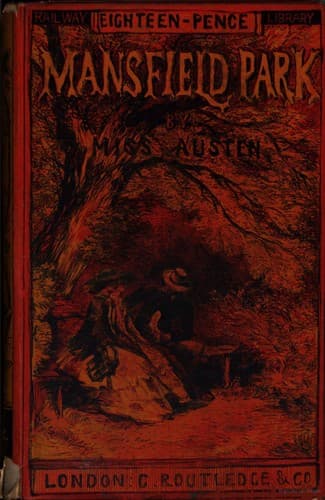
Mansfield Park
by Jane AustenAggregate Editorial Score38/100
Times Literary Supplement
Published 1814443 pagesEnglish
Buy on Amazon → About This Book
Jane Austen's Mansfield Park (1814) stands as one of the most significant works of literary fiction of its era. Fanny Price, taken from poverty to live with her wealthy relatives at Mansfield Park, watches the moral corruption of those around her while developing a love for her cousin Edmund. Austen's most serious and controversial novel. Themes of morality, class, slavery run through the work. The book has received recognition from Times Literary Supplement 1814.
Book Details
About the Category
📖 Literary Fiction
Character-driven fiction that prioritises style, theme, and psychological depth.
Explore all Literary Fiction books →Country of Origin
🇬🇧 United Kingdom
This book is part of United Kingdom's rich literary tradition.
Explore books from United Kingdom →Editorial Assessment
Jane Austen published Mansfield Park in 1814, and it has since become one of the more widely recognised works of literary fiction from United Kingdom. The book's treatment of morality, class, slavery, love accounts for much of its enduring reputation.
The book's place in the literary record rests on its presence across major prize lists and critical surveys. Among its recognitions: Times Literary Supplement 1814. Its aggregate editorial score of 38/100 reflects recognition from 1 independent editorial sources, from international prizes to specialist critical journals.
What distinguishes Mansfield Park is how it handles its central concerns — morality, class, slavery, love — without reducing them to neat conclusions. The book invites close reading and holds up well to it.
Mansfield Park reflects Jane Austen's place in a wider literary tradition. The book's concerns resonate with United Kingdom's broader cultural preoccupations, even as they reach beyond any single national context.
About this assessment: Editorial scores are aggregated from 1 independent sources including major literary prizes, critical surveys, and leading publications. Our editorial team reviews and contextualises this data. Rankings reflect critical consensus, not personal opinion or popularity metrics. Learn about our methodology.
Awards & Recognition
Times Literary Supplement
list · global
181412
Jane Austen is a celebrated author from United Kingdom known for influential works of literary fiction.
What to Read Next
literary-fiction
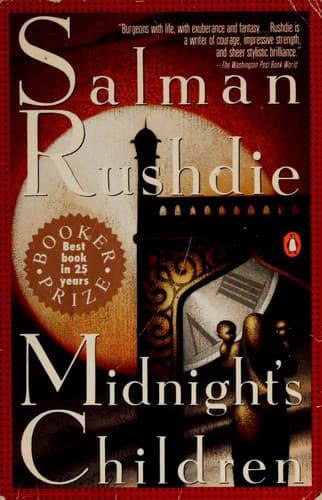
Midnight's Children
Salman Rushdie· 1981
★Nobel Prize in Literature★Booker Prize
Editorial Score100/100
literary-fiction
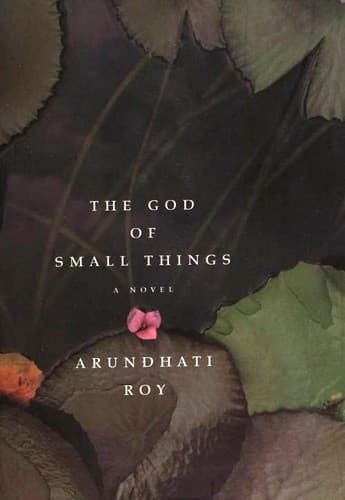
The God of Small Things
Arundhati Roy· 1997
★Nobel Prize in Literature★Booker Prize
Editorial Score100/100
literary-fiction
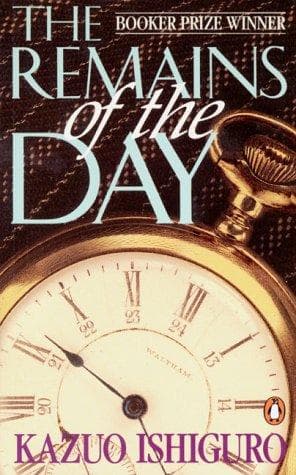
The Remains of the Day
Kazuo Ishiguro· 1989
★Nobel Prize in Literature★Booker Prize
Editorial Score100/100
literary-fiction
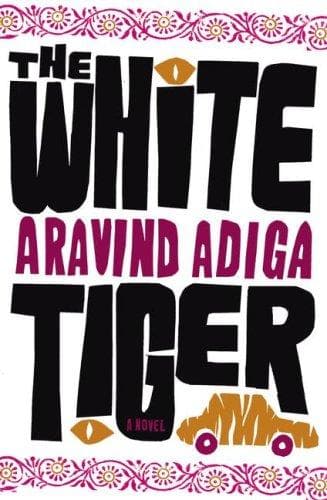
The White Tiger
Aravind Adiga· 2008
★Nobel Prize in Literature★Booker Prize
Editorial Score100/100
literary-fiction
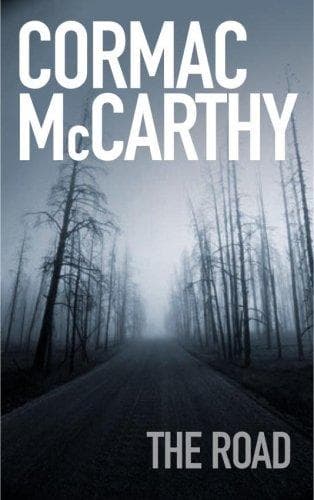
The Road
Cormac McCarthy· 2007
★Pulitzer Prize★Hugo Award
Editorial Score100/100
historical-fiction
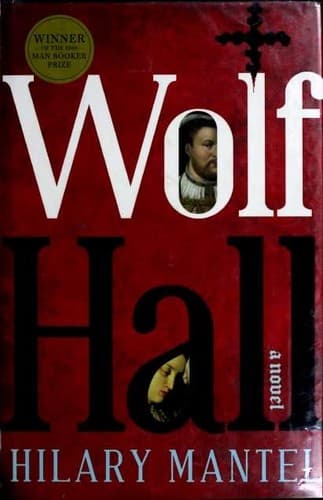
Wolf Hall
Hilary Mantel· 2009
★Booker Prize★Costa Book Award
Editorial Score100/100
Frequently Asked Questions
Popular on 50 Best Books
Best Science Fiction Books of All TimeScience FictionBooker Prize Winners — Complete List & GuideLiterary PrizesNobel Prize in Literature — Every Winner Since 1901Literary PrizesClassic Literature Reading List — 50 Essential BooksReading GuidesBest Books for Beginners — 20 Easy Reads for New BookloversReading Guides