Editors’ Pick
Designed to Feel by Peter Burchardt
Designed to Feelby Peter Burchardt — on emotions, evolution & the science of feeling
View on Amazon →
Cover of The Book of Disquiet
Classic Literature· Portugal

The Book of Disquiet

by Fernando Pessoa
Aggregate Editorial Score30/100
Published 1982Portuguese
Buy on Amazon →

About This Book

Few works of classic literature have earned the sustained critical attention that The Book of Disquiet (1982) by Fernando Pessoa continues to receive. The Book of Disquiet is a posthumously published work by Fernando Pessoa, one of Portugal's most celebrated writers. The book is a collection of fragments, thoughts, and reflections attributed to Pessoa's semi-heteronym, Bernardo Soares. It explores themes of existential angst, solitude, and the search for meaning in a fragmented world. The work is considered a masterpiece of modernist literature and offers profound insights into the human condition. Themes of existential angst, solitude, identity run through the work.

Book Details

AuthorFernando Pessoa
Published1982
Country of Origin🇵🇹 Portugal
LanguagePortuguese
Category🏛️ Classic Literature
ISBN978-0811211003
Editorial Score30/100
About the Category

🏛️ Classic Literature

Enduring works that have shaped world literature across centuries.

Explore all Classic Literature books →
Country of Origin

🇵🇹 Portugal

This book is part of Portugal's rich literary tradition.

Explore books from Portugal →

Editorial Assessment

First published in 1982, Fernando Pessoa's The Book of Disquiet is a work of classic literature that has drawn sustained interest from critics and prize committees alike. Its engagement with existential angst, solitude, identity, fragmentation gives the book a depth that extends well beyond its genre. Critics and institutions have consistently placed The Book of Disquiet among the notable works of its period. Our aggregate score of 30/100 is compiled from 1 editorial sources that range from Nobel and Booker committees to leading literary journals. The appeal of The Book of Disquiet lies partly in its refusal to offer easy answers. Its exploration of existential angst, solitude, identity, fragmentation is sustained, textured, and genuinely thought-provoking in ways that stay with readers well after the final page. The Book of Disquiet reflects Fernando Pessoa's place in a wider literary tradition. The book's concerns resonate with Portugal's broader cultural preoccupations, even as they reach beyond any single national context.
About this assessment: Editorial scores are aggregated from 1 independent sources including major literary prizes, critical surveys, and leading publications. Our editorial team reviews and contextualises this data. Rankings reflect critical consensus, not personal opinion or popularity metrics. Learn about our methodology.

Awards & Recognition

Guardian 100 Best Novels
list · global
20030
✍️
About the Author
Fernando Pessoa
Portugal
View Author →

Fernando Pessoa is a Portugal author whose work in classic literature has earned recognition from readers and critics alike.

Designed to Feel
Bestseller by Peter Burchardt
Designed to Feel
Why Evolution Built Your Emotions, and How to Make Them Work for You
“The most eye-opening book on emotions I’ve ever read.”
Get It on Amazon →Paperback & Kindle

What to Read Next

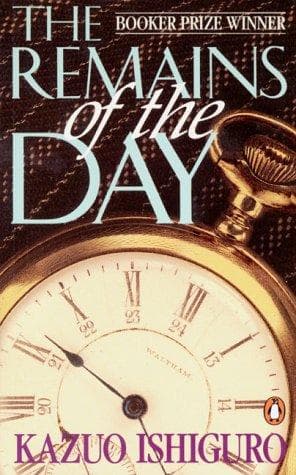
Cover of The Remains of the Day
literary-fiction

The Remains of the Day

Kazuo Ishiguro· 1989
★Nobel Prize in Literature★Booker Prize
Editorial Score100/100
Cover of The Tin Drum
literary-fiction

The Tin Drum

Günter Grass· 1999
★Nobel Prize in Literature
Editorial Score98/100
Cover of Celestial Bodies
literary-fiction

Celestial Bodies

Jokha Alharthi· 2010
★Booker Prize
Editorial Score93/100
Cover of The Grapes of Wrath
literary-fiction

The Grapes of Wrath

John Steinbeck· 1962
★Nobel Prize in Literature
Editorial Score90/100
Cover of Beloved
literary-fiction

Beloved

Toni Morrison· 1993
★Nobel Prize in Literature
Editorial Score85/100
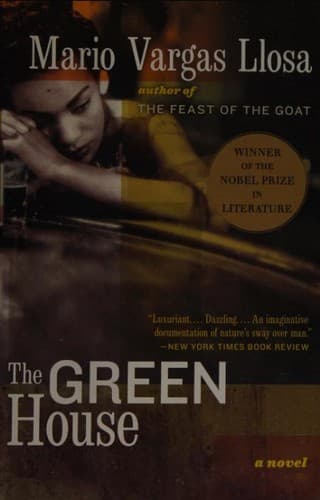
Cover of The Green House
literary-fiction

The Green House

Mario Vargas Llosa· 1966
★Nobel Prize in Literature
Editorial Score84/100

Frequently Asked Questions

What is The Book of Disquiet about?

The Book of Disquiet is a posthumously published work by Fernando Pessoa, one of Portugal's most celebrated writers. The book is a collection of fragments, thoughts, and reflections attributed to Pessoa's semi-heteronym, Bernardo Soares. It explores themes of existential angst, solitude, and the search for meaning in a fragmented world. The work is considered a masterpiece of modernist literature and offers profound insights into the human condition.

Who wrote The Book of Disquiet?

The Book of Disquiet was written by Fernando Pessoa, from Portugal. First published in 1982.

What awards has The Book of Disquiet won?

The Book of Disquiet has received the following recognition: notable critical recognition.

Is The Book of Disquiet worth reading?

The Book of Disquiet is a well-regarded book with an aggregate editorial score of 30/100 on 50 Best Books. It is particularly recommended for readers interested in existential angst, solitude, identity.

Where can I buy The Book of Disquiet?

You can buy The Book of Disquiet on Amazon. Click the Buy on Amazon button above to find the best edition.

What category is The Book of Disquiet?

The Book of Disquiet is classified as Classic Literature. Enduring works that have shaped world literature across centuries.

What country is The Book of Disquiet from?

The Book of Disquiet originates from Portugal's literary tradition. Explore more books from Portugal on our country page.

Popular on 50 Best Books

Best Science Fiction Books of All TimeScience FictionBooker Prize Winners — Complete List & GuideLiterary PrizesNobel Prize in Literature — Every Winner Since 1901Literary PrizesClassic Literature Reading List — 50 Essential BooksReading GuidesBest Books for Beginners — 20 Easy Reads for New BookloversReading Guides

Explore More

🏛️More Classic LiteratureBrowse all Classic Literature books🇵🇹Books from Portugal🇵🇹 Portugal literature📅1980s BooksPublished in the 1980s🏆Top 50 RankingsThe greatest books of all time