Editors’ Pick
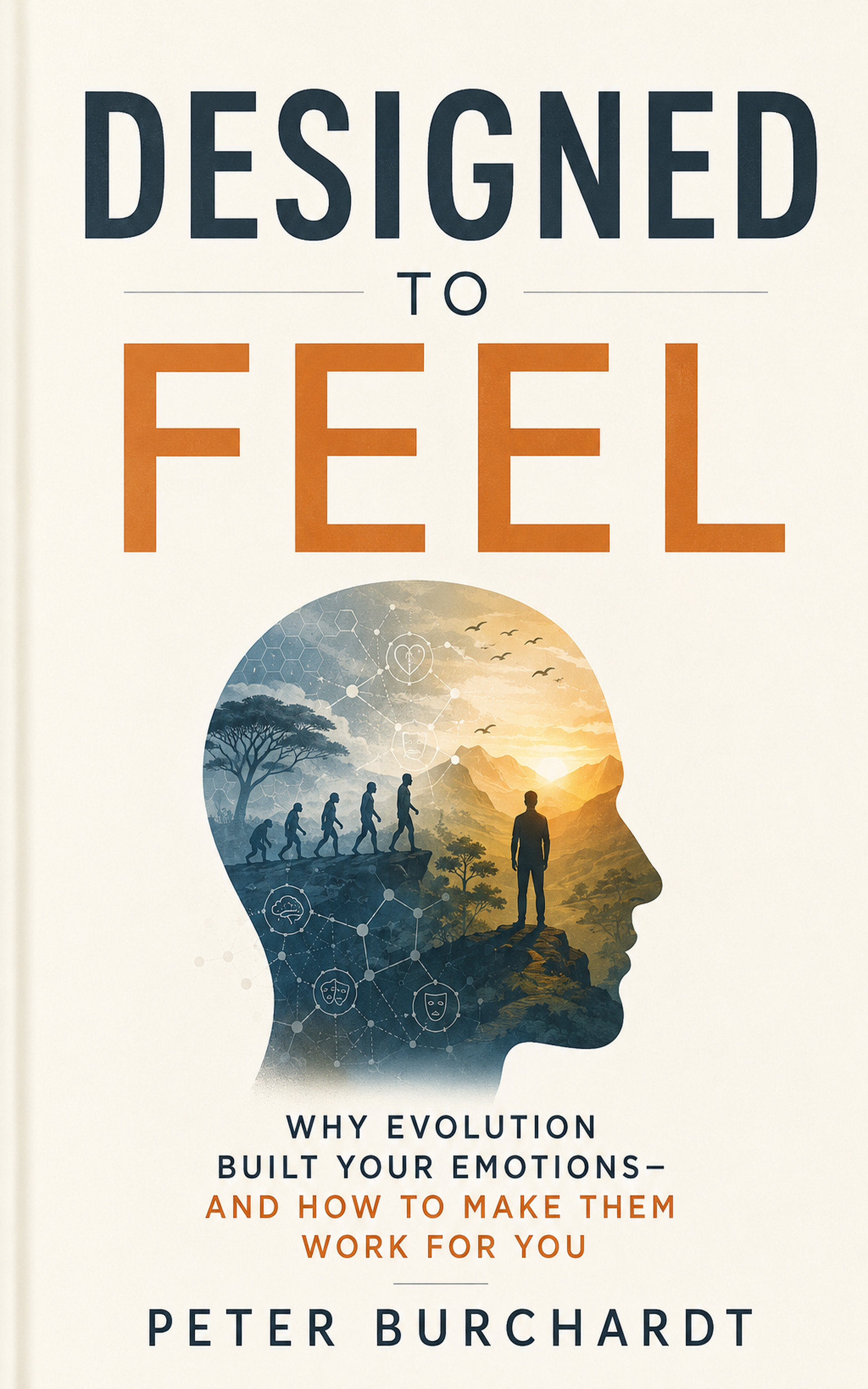
Designed to Feel by Peter Burchardt
Designed to Feelby Peter Burchardt — on emotions, evolution & the science of feeling
View on Amazon →
Cover of The Physics of Sorrow
Literary Fiction· Bulgaria

The Physics of Sorrow

by Georgi Gospodinov
Aggregate Editorial Score31/100
Published 2012Bulgarian
Buy on Amazon →

About This Book

Published in 2012, The Physics of Sorrow established Georgi Gospodinov as one of the defining voices in literary fiction. The Physics of Sorrow is a contemporary masterpiece by Georgi Gospodinov, exploring the labyrinth of memory and identity. The novel employs a unique narrative structure, intertwining personal and collective histories, myth, and reality. It has been praised for its innovative style and profound philosophical reflections on the nature of time and existence. Themes of memory, identity, time run through the work. The book has received recognition from Jan Michalski Prize for Literature 2016.

Book Details

AuthorGeorgi Gospodinov
Published2012
Country of Origin🇧🇬 Bulgaria
LanguageBulgarian
Category📖 Literary Fiction
ISBN978-9542811468
Editorial Score31/100
About the Category

📖 Literary Fiction

Character-driven fiction that prioritises style, theme, and psychological depth.

Explore all Literary Fiction books →
Country of Origin

🇧🇬 Bulgaria

This book is part of Bulgaria's rich literary tradition.

Explore books from Bulgaria →

Editorial Assessment

The Physics of Sorrow by Georgi Gospodinov sits within the tradition of literary fiction that treats language as seriously as plot. Published in 2012 in Bulgaria, it engages with memory, identity, time, existence in ways that have earned it lasting critical attention. Critics and institutions have consistently placed The Physics of Sorrow among the notable works of its period. Among its recognitions: Jan Michalski Prize for Literature 2016. Our aggregate score of 31/100 is compiled from 1 editorial sources that range from Nobel and Booker committees to leading literary journals. The appeal of The Physics of Sorrow lies partly in its refusal to offer easy answers. Its exploration of memory, identity, time, existence is sustained, textured, and genuinely thought-provoking in ways that stay with readers well after the final page. Within Bulgaria's literary landscape, Georgi Gospodinov occupies a significant position. The Physics of Sorrow is both a personal artistic statement and a contribution to a tradition shaped by the country's history and cultural concerns.
About this assessment: Editorial scores are aggregated from 1 independent sources including major literary prizes, critical surveys, and leading publications. Our editorial team reviews and contextualises this data. Rankings reflect critical consensus, not personal opinion or popularity metrics. Learn about our methodology.

Awards & Recognition

Guardian 100 Best Novels
list · global
20150
✍️
About the Author
Georgi Gospodinov
Bulgaria
View Author →

Georgi Gospodinov is a Bulgaria author whose work in literary fiction has earned recognition from readers and critics alike.

Happy Employees
The Management Companion
Happy Employees
What Evolution Tells You About Leading People
Lead with human nature, and your team won’t just perform — they’ll thrive.
Get It on Amazon →Paperback & Kindle

What to Read Next

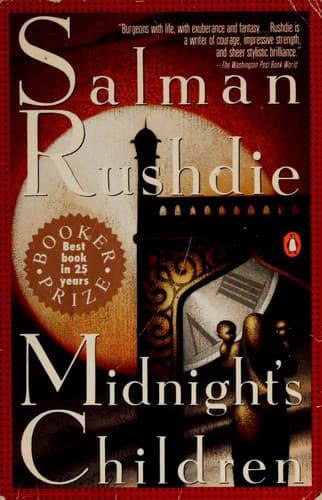
Cover of Midnight's Children
literary-fiction

Midnight's Children

Salman Rushdie· 1981
★Nobel Prize in Literature★Booker Prize
Editorial Score100/100
Cover of The God of Small Things
literary-fiction

The God of Small Things

Arundhati Roy· 1997
★Nobel Prize in Literature★Booker Prize
Editorial Score100/100
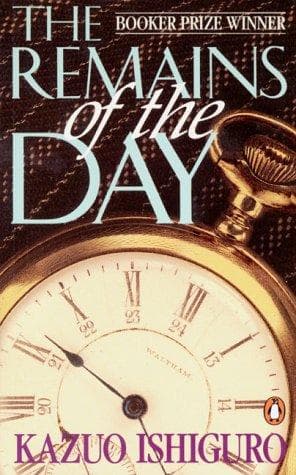
Cover of The Remains of the Day
literary-fiction

The Remains of the Day

Kazuo Ishiguro· 1989
★Nobel Prize in Literature★Booker Prize
Editorial Score100/100
Cover of The White Tiger
literary-fiction

The White Tiger

Aravind Adiga· 2008
★Nobel Prize in Literature★Booker Prize
Editorial Score100/100
Cover of The Road
literary-fiction

The Road

Cormac McCarthy· 2007
★Pulitzer Prize★Hugo Award
Editorial Score100/100
Cover of Wolf Hall
historical-fiction

Wolf Hall

Hilary Mantel· 2009
★Booker Prize★Costa Book Award
Editorial Score100/100

Frequently Asked Questions

What is The Physics of Sorrow about?

The Physics of Sorrow is a contemporary masterpiece by Georgi Gospodinov, exploring the labyrinth of memory and identity. The novel employs a unique narrative structure, intertwining personal and collective histories, myth, and reality. It has been praised for its innovative style and profound philosophical reflections on the nature of time and existence.

Who wrote The Physics of Sorrow?

The Physics of Sorrow was written by Georgi Gospodinov, from Bulgaria. First published in 2012.

What awards has The Physics of Sorrow won?

The Physics of Sorrow has received the following recognition: Jan Michalski Prize for Literature 2016.

Is The Physics of Sorrow worth reading?

The Physics of Sorrow is a well-regarded book with an aggregate editorial score of 31/100 on 50 Best Books. It is particularly recommended for readers interested in memory, identity, time.

Where can I buy The Physics of Sorrow?

You can buy The Physics of Sorrow on Amazon. Click the Buy on Amazon button above to find the best edition.

What category is The Physics of Sorrow?

The Physics of Sorrow is classified as Literary Fiction. Character-driven fiction that prioritises style, theme, and psychological depth.

What country is The Physics of Sorrow from?

The Physics of Sorrow originates from Bulgaria's literary tradition. Explore more books from Bulgaria on our country page.

Popular on 50 Best Books

Best Science Fiction Books of All TimeScience FictionBooker Prize Winners — Complete List & GuideLiterary PrizesNobel Prize in Literature — Every Winner Since 1901Literary PrizesClassic Literature Reading List — 50 Essential BooksReading GuidesBest Books for Beginners — 20 Easy Reads for New BookloversReading Guides

Explore More

📖More Literary FictionBrowse all Literary Fiction books🇧🇬Books from Bulgaria🇧🇬 Bulgaria literature📅2010s BooksPublished in the 2010s🏆Top 50 RankingsThe greatest books of all time