
Historical Fiction· United States
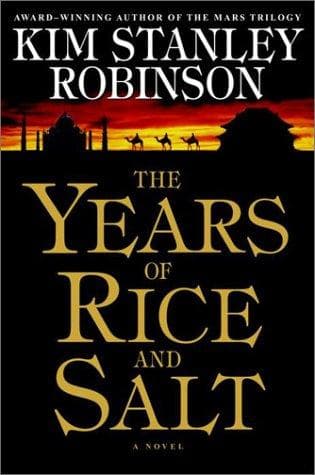
The Years of Rice and Salt
by Kim Stanley RobinsonAggregate Editorial Score66/100
★Hugo Award
Published 2003664 pagesEnglish
Buy on Amazon → About This Book
Published in 2003, The Years of Rice and Salt established Kim Stanley Robinson as one of the defining voices in historical fiction. What if the Black Death had wiped out ninety per cent of Europe's population? Robinson's Hugo finalist imagines an alternate history in which Islam and Buddhism dominate the world, following two souls reincarnated across seven centuries of history. Themes of alternate history, Islam, Buddhism run through the work. The book has received recognition from Hugo Award 2003.
Book Details
About the Category
🗺️ Historical Fiction
Novels set in the past, blending real events with fictional narratives.
Explore all Historical Fiction books →Country of Origin
🇺🇸 United States
This book is part of United States's rich literary tradition.
Explore books from United States →Editorial Assessment
Kim Stanley Robinson published The Years of Rice and Salt in 2003, and it has since become one of the more widely recognised works of historical fiction from United States. The book's treatment of alternate history, Islam, Buddhism, reincarnation accounts for much of its enduring reputation.
Among its recognitions: Hugo Award 2003. With an editorial score of 66/100 drawn from 1 independent sources, the book occupies a well-documented position in the critical literature. Its recognition spans international prizes, "best of" lists, and academic surveys.
The appeal of The Years of Rice and Salt lies partly in its refusal to offer easy answers. Its exploration of alternate history, Islam, Buddhism, reincarnation is sustained, textured, and genuinely thought-provoking in ways that stay with readers well after the final page.
Kim Stanley Robinson's role in the literature of United States is well established. The Years of Rice and Salt can be read as both a standalone achievement and as part of a broader national literary conversation about identity, history, and the possibilities of narrative form.
About this assessment: Editorial scores are aggregated from 1 independent sources including major literary prizes, critical surveys, and leading publications. Our editorial team reviews and contextualises this data. Rankings reflect critical consensus, not personal opinion or popularity metrics. Learn about our methodology.
Awards & Recognition
Hugo Award
winner · genre
200354
Kim Stanley Robinson is a celebrated author from United States known for influential works of historical fiction.
What to Read Next
literary-fiction
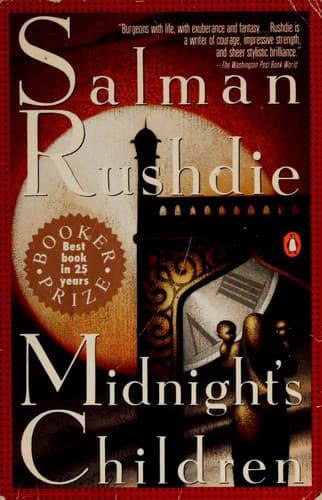
Midnight's Children
Salman Rushdie· 1981
★Nobel Prize in Literature★Booker Prize
Editorial Score100/100
literary-fiction
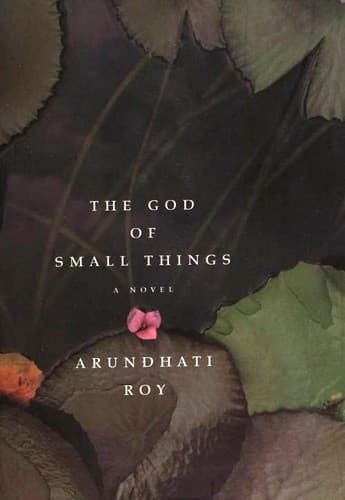
The God of Small Things
Arundhati Roy· 1997
★Nobel Prize in Literature★Booker Prize
Editorial Score100/100

historical-fiction
Wolf Hall
Hilary Mantel· 2009
★Booker Prize★Costa Book Award
Editorial Score100/100

literary-fiction
The Tin Drum
Günter Grass· 1999
★Nobel Prize in Literature
Editorial Score98/100

literary-fiction
Celestial Bodies
Jokha Alharthi· 2010
★Booker Prize
Editorial Score93/100
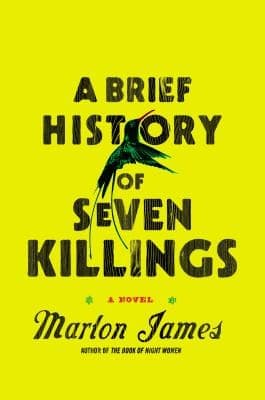
literary-fiction
A Brief History of Seven Killings
Marlon James· 2015
★Booker Prize
Editorial Score89/100
Frequently Asked Questions
Popular on 50 Best Books
Best Science Fiction Books of All TimeScience FictionBooker Prize Winners — Complete List & GuideLiterary PrizesNobel Prize in Literature — Every Winner Since 1901Literary PrizesClassic Literature Reading List — 50 Essential BooksReading GuidesBest Books for Beginners — 20 Easy Reads for New BookloversReading Guides