Best Books from Antigua and Barbuda
Recognised by major literary prizes and cultural institutions, Antigua and Barbuda occupies a distinctive place in world literature. Its writers have drawn on a unique cultural inheritance to produce work that speaks to readers in many languages, and its literary tradition continues to develop with new voices and forms.
Top 10 from Antigua and Barbuda
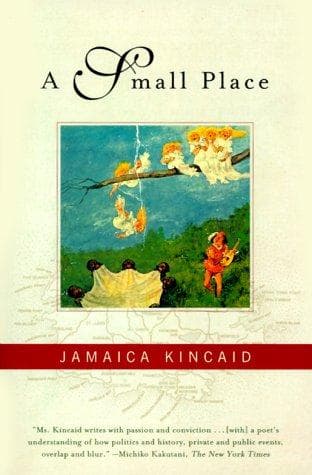
A Small Place
A Small Place is a powerful and lyrical essay by Jamaica Kincaid that explores the complexities of Antigua, her homeland. Through a personal lens, Kincaid addresses the impacts of colonialism and tourism, offering a candid critique of the island's post-colonial struggles. This work is significant for its unflinching honesty and its ability to provoke thought about the broader implications of colonial history.
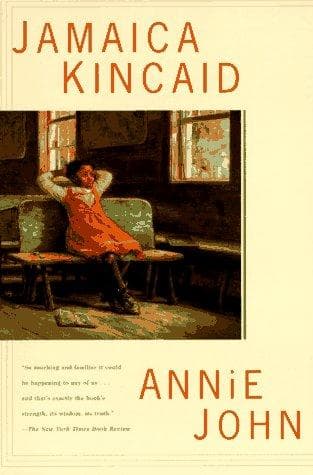
Annie John
Annie John is a coming-of-age novel that follows the life of a young girl growing up in Antigua. Through the protagonist's eyes, Jamaica Kincaid vividly portrays the complexities of adolescence, family relationships, and the quest for identity. The novel is celebrated for its lyrical prose and its exploration of themes such as mother-daughter relationships and the impact of colonialism.
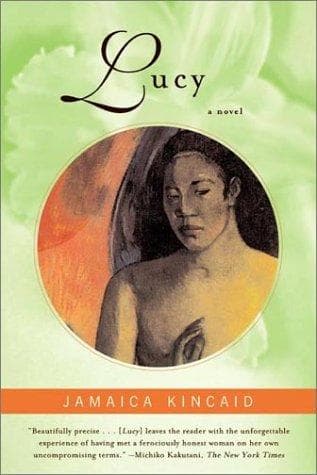
Lucy
Lucy is a novel that tells the story of a young woman who leaves her Caribbean home to work as an au pair in the United States. Through Lucy's experiences, Jamaica Kincaid explores themes of displacement, identity, and the search for independence. The novel is noted for its introspective narrative and its exploration of the immigrant experience.
The Autobiography of My Mother
The Autobiography of My Mother is a haunting exploration of a woman's life in the Caribbean. Through the character of Xuela, Jamaica Kincaid delves into themes of loss, identity, and the legacy of colonialism. The novel is acclaimed for its poetic language and its profound meditation on the nature of self and memory.
Mr. Potter
Mr. Potter is a novel that tells the story of a taxi driver in Antigua, exploring his life and the world around him. Jamaica Kincaid uses this narrative to examine themes of identity, memory, and the impact of colonial history on personal lives. The novel is praised for its rich, evocative prose and its deep exploration of the human condition.