Best Books from Australia
Australian literature has shed its postcolonial anxieties and developed a confident national voice over the past half century. Patrick White, the continent's only Nobel laureate in literature, wrote novels of mythic ambition set against Australia's vast landscape. Tim Winton has brought the working-class Australian coast into literary fiction of lasting power. Richard Flanagan, Christos Tsiolkas, and Kate Grenville have mapped the country's history, violence, and multicultural present with increasing formal sophistication. Indigenous voices — from Alexis Wright's Carpentaria to the poetry of Oodgeroo Noonuccal — are now central to the national literary conversation.
Top 10 from Australia
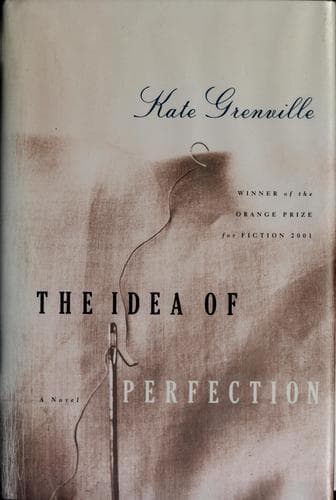
The Idea of Perfection
Two outsiders—a heritage officer determined to save an old bridge and an engineer hired to demolish it—fall into an improbable love affair in a small Australian country town. Grenville's Orange Prize-winning novel is warm, funny, and beautifully observed.
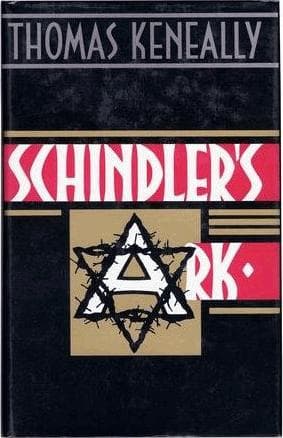
Schindler's Ark
The true story of Oskar Schindler, a Nazi industrialist who saved over a thousand Jews from the Holocaust by employing them in his factories, told with novelistic vividness. Keneally's Booker Prize winner—later filmed by Spielberg as Schindler's List—is one of the most important Holocaust narratives ever written.
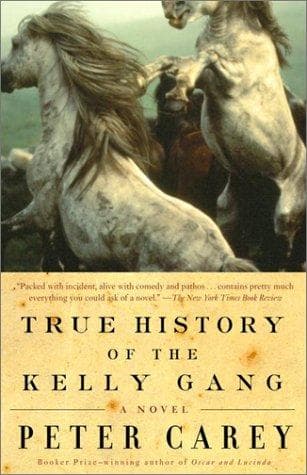
True History of the Kelly Gang
Ned Kelly, Australia's most famous outlaw, writes a letter to the daughter he will never know in Carey's second Booker Prize winner. The novel is narrated in the voice of Kelly himself—unschooled, passionate, and utterly compelling—reimagining Australia's most contested legend.
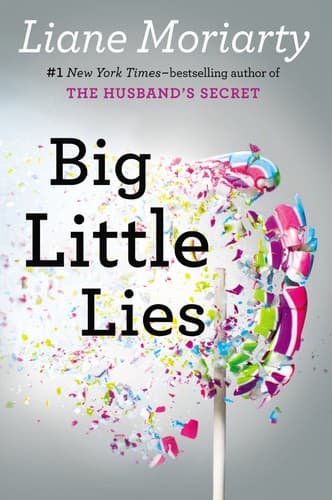
Big Little Lies
Three women—Madeline, Celeste, and Jane—form an unlikely friendship at a primary school trivia night that ends in murder. Moriarty's compulsively readable thriller is also a sharp study of domestic violence, class, and the social world of privileged suburban mothers.
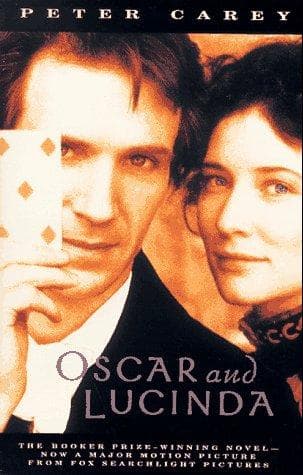
Oscar and Lucinda
A gambling English clergyman and an eccentric Australian heiress form an unlikely bond over their shared obsession with glass and games of chance in Victorian Australia. Carey's Booker Prize winner is a sweeping, inventive novel of faith, folly, and colonial ambition.
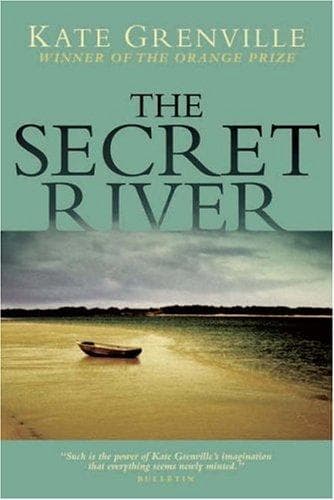
The Secret River
The Secret River by Kate Grenville is a powerful exploration of Australia's colonial past, focusing on the life of a convict settler in the early 19th century. The novel delves into themes of ownership, identity, and the often-violent clash between settlers and Indigenous Australians. Grenville's meticulous research and compelling narrative have earned the book critical acclaim and a place in discussions about Australia's history and identity.
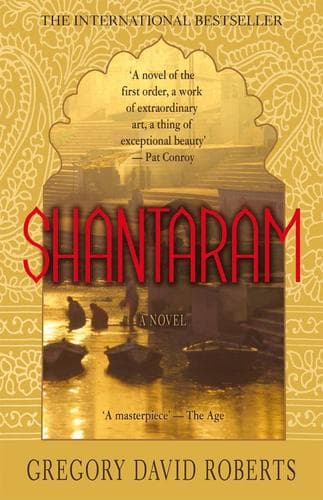
Shantaram
An escaped Australian convict finds himself in the Mumbai underworld, a village, and Afghanistan, guided by a larger-than-life character named Khaderbhai. Roberts's autobiographical novel is a sprawling, vivid portrait of India's underworld and one man's search for redemption.
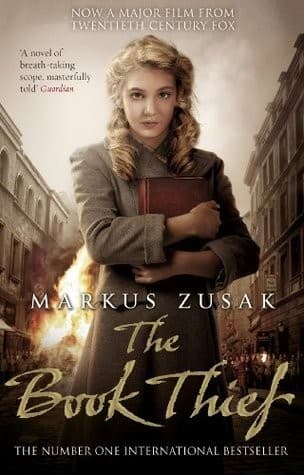
The Book Thief
Liesel Meminger, a young girl living with foster parents in Nazi Germany, steals books and shares them with others in her neighbourhood, including a Jewish man hidden in her basement. Death narrates this beloved novel about the power of words in the darkest of times.
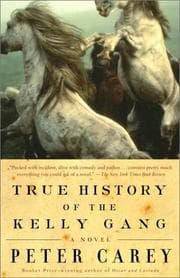
True history of the Kelly gang
True history of the Kelly gang by Peter Carey (2000) is a notable work of historical fiction from Australia.
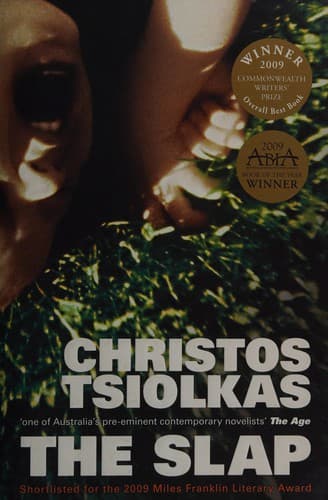
The Slap
The Slap by Christos Tsiolkas is a provocative novel that examines the rippling effects of a single act of violence at a suburban barbecue. Through multiple perspectives, the book explores themes of family, race, and morality in contemporary Australian society. Tsiolkas's unflinching portrayal of middle-class life and the tensions within it has sparked widespread discussion and established the novel as a significant work in modern Australian literature.