Best Books from Austria
Recognised by major literary prizes and cultural institutions, Austria occupies a distinctive place in world literature. Its writers have drawn on a unique cultural inheritance to produce work that speaks to readers in many languages, and its literary tradition continues to develop with new voices and forms.
Top 10 from Austria

The Piano Teacher
The Piano Teacher is a provocative novel by Nobel laureate Elfriede Jelinek, exploring the dark and complex relationship between a piano teacher and her student. Set in Vienna, the novel delves into themes of repression, power, and sexual obsession. Jelinek's stark and unflinching prose challenges societal norms and exposes the hidden violence within human relationships, making it a significant work in contemporary literature.
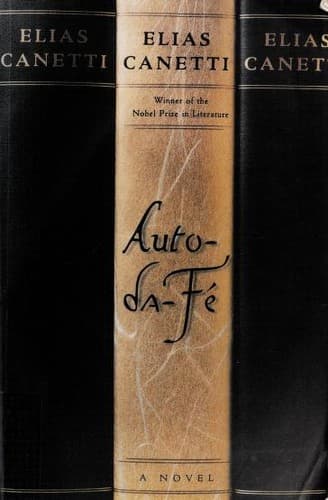
Auto-da-Fé
Auto-da-Fé is the only novel by Elias Canetti, a Nobel laureate, and is a profound exploration of madness and obsession. The story follows a reclusive scholar whose life unravels as he becomes entangled with a series of manipulative characters. Canetti's intricate narrative and psychological depth offer a compelling critique of intellectual isolation and the destructive nature of obsession.
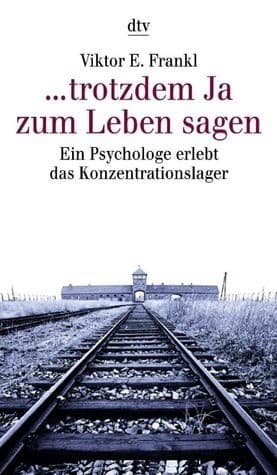
Man's Search for Meaning
Frankl, a psychiatrist who survived the Nazi concentration camps, describes his experiences and the psychological theory he developed—logotherapy—based on finding meaning even in the most extreme suffering. One of the most influential books of the twentieth century.
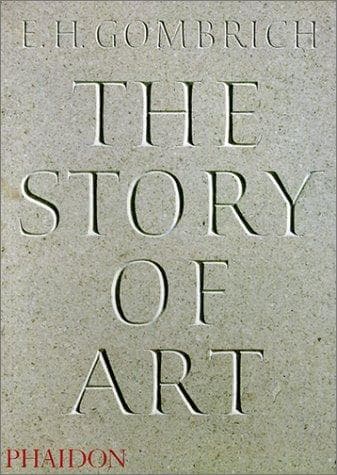
The Story of Art
Gombrich's introduction to the history of art—from prehistoric cave paintings to twentieth-century abstraction—has introduced more people to art than any other book. Written with unusual clarity and without condescension.
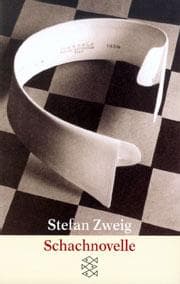
Schachnovelle
Schachnovelle (1943) establishes Stefan Zweig as a significant voice in literary fiction, weaving together themes of identity, memory, and transformation.

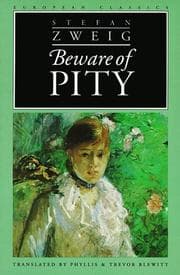
Ungeduld des Herzens
A celebrated work of literary fiction, Ungeduld des Herzens by Stefan Zweig (1927) offers an unflinching examination of the human condition.
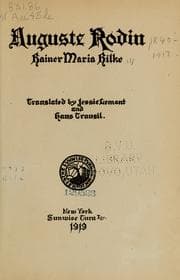
Auguste Rodin
Auguste Rodin (1907) by Rainer Maria Rilke is an intimate and revealing memoir that illuminates the human experience through personal narrative.
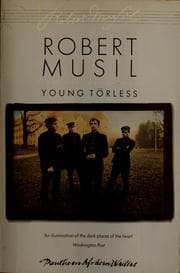
Die Verwirrungen des Zöglings Törless
Die Verwirrungen des Zöglings Törless (1906) establishes Robert Musil as a significant voice in literary fiction, weaving together themes of identity, memory, and transformation.
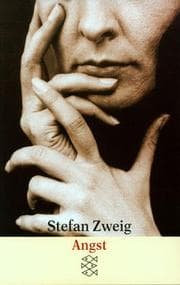
Angst
A celebrated work of literary fiction, Angst by Stefan Zweig (1925) offers an unflinching examination of the human condition.