Best Books from Bolivia
Recognised by major literary prizes and cultural institutions, Bolivia occupies a distinctive place in world literature. Its writers have drawn on a unique cultural inheritance to produce work that speaks to readers in many languages, and its literary tradition continues to develop with new voices and forms.
Top 10 from Bolivia

The Night
Jaime Saenz's 'The Night' is a profound exploration of existential themes through poetry. Known for its deep philosophical insights and vivid imagery, the book delves into the human condition, mortality, and the metaphysical. Saenz's work is pivotal in Bolivian literature, offering a unique voice that resonates with universal themes of life and death.

Jonás y la Ballena Rosada
This novel is a significant work in Bolivian literature, exploring themes of adolescence, identity, and rebellion. Through the protagonist's journey, Montes captures the essence of youthful disillusionment and the search for meaning in a rapidly changing world. The book is celebrated for its rich narrative and emotional depth.

Los Deshabitados
Marcelo Quiroga Santa Cruz's 'Los Deshabitados' is a critical examination of Bolivian society and politics. The novel is known for its incisive critique of social injustices and the struggles of the marginalized. Quiroga Santa Cruz's work is a cornerstone in Bolivian literature, offering a powerful commentary on the socio-political landscape of the time.

El run run de la calavera
This novel by Ramón Rocha Monroy is a humorous yet poignant exploration of Bolivian culture and identity. Through satire and wit, the book delves into the complexities of societal norms and the human experience. It is celebrated for its clever narrative and insightful portrayal of life in Bolivia.
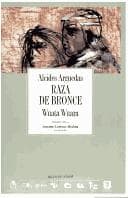
Raza de bronce
Alcides Arguedas's 'Raza de bronce' is a seminal work in Bolivian literature that addresses the indigenous experience and racial issues in Bolivia. Through its historical narrative, the novel sheds light on the struggles and resilience of indigenous communities. It is a critical piece that has sparked discussions on race and identity in Bolivia.