Best Books from Cuba
Cuba's literary tradition has produced books of international significance spanning fiction, poetry, and non-fiction. The country's writers have engaged with its history, geography, and social realities in ways that have found readers far beyond its borders, and its place in world literature is secure.
Top 10 from Cuba

Three Trapped Tigers
A landmark in Cuban literature, 'Three Trapped Tigers' is a vibrant and experimental novel that captures the spirit of Havana in the 1950s. Through a series of interconnected stories, Cabrera Infante explores themes of identity, language, and the cultural landscape of pre-revolutionary Cuba. The novel is celebrated for its inventive use of language and its playful narrative style.

Paradiso
Considered a masterpiece of Latin American literature, 'Paradiso' is a dense and poetic novel that follows the life of José Cemí, a young man in Havana. Lezama Lima's work is renowned for its rich language and complex structure, offering a deep exploration of themes such as sexuality, family, and the search for identity. The novel is a significant contribution to the canon of Cuban literature.
The Kingdom of this World
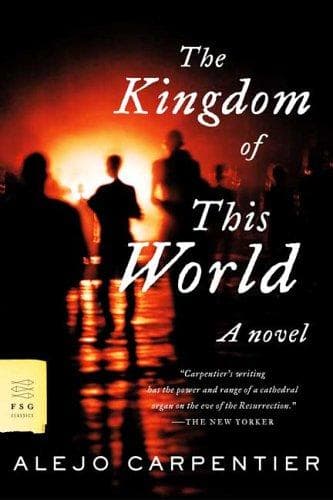
Alejo Carpentier's 'The Kingdom of this World' is a pioneering work of magical realism that recounts the history of Haiti from the perspective of a slave named Ti Noël. The novel blends historical events with myth and legend, offering a profound commentary on colonialism and the nature of power. Carpentier's vivid prose and imaginative storytelling have made this book a cornerstone of Latin American literature.

Cecilia Valdés
'Cecilia Valdés' is a seminal Cuban novel that provides a vivid portrayal of 19th-century Havana and the complex social and racial dynamics of the time. The story follows the tragic love affair between Cecilia, a beautiful mulatta, and Leonardo, a young white aristocrat. Villaverde's work is a critical exploration of race, class, and identity in colonial Cuba, and remains a key text in Cuban literature.
Dirty Havana Trilogy
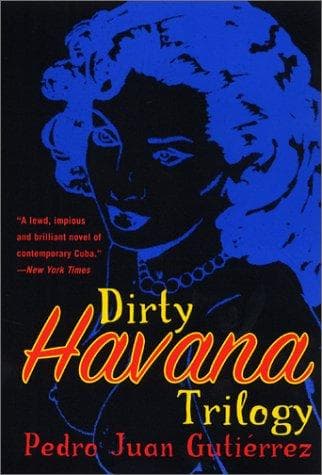
Pedro Juan Gutiérrez's 'Dirty Havana Trilogy' offers a raw and unfiltered look at life in post-Soviet Cuba. Through a series of interconnected stories, Gutiérrez captures the struggles and desires of ordinary Cubans living in a decaying Havana. The book is noted for its gritty realism and candid portrayal of poverty, sexuality, and survival, marking it as a significant work in contemporary Cuban literature.