
Best Books from Guinea-Bissau
Guinea-Bissau's contribution to world literature reflects a tradition of serious engagement with language, story, and ideas. From classic texts that have shaped generations of readers to contemporary voices finding new international audiences, the country's literary scene is one of the most productive outside the major European traditions.
Top 10 from Guinea-Bissau
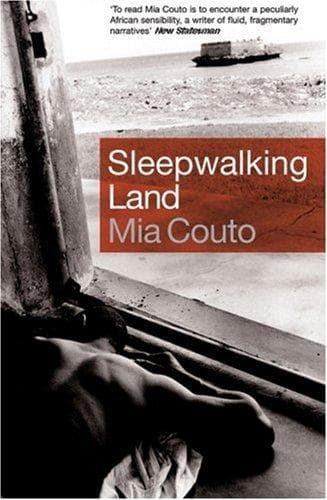
The Last Flight of the Flamingo
While Mia Couto is Mozambican, his works often explore themes relevant to Lusophone Africa, including Guinea-Bissau. 'The Last Flight of the Flamingo' is a surreal tale set in a post-civil war African village, blending magical realism with political allegory. The novel is significant for its exploration of the lingering effects of colonialism and war, and its unique narrative style that captures the complexities of African identity.

The Ultimate Tragedy
Abdulai Sila's 'The Ultimate Tragedy' is considered one of the first novels from Guinea-Bissau. It tells the story of Ndani, a young woman navigating the challenges of love and societal expectations in a colonial setting. The novel is acclaimed for its portrayal of the intersection between traditional African culture and the impositions of colonial rule, offering a poignant critique of the socio-political landscape of Guinea-Bissau.

The King's Eye
Tony Tcheka is a prominent poet from Guinea-Bissau, known for his evocative and lyrical style. 'The King's Eye' is a collection of poems that delve into themes of identity, freedom, and the human condition. Tcheka's work is significant for its ability to capture the spirit of Guinea-Bissau's people and landscape, offering readers a profound insight into the nation's cultural and emotional depth.

The Guardian of the Word
Odete Semedo is a celebrated poet from Guinea-Bissau, whose work often addresses themes of cultural identity and resilience. 'The Guardian of the Word' is a collection of poems that explore the power of language and storytelling in preserving cultural heritage. Semedo's poetry is significant for its lyrical beauty and its role in highlighting the voices and experiences of Guinea-Bissau's people.