Best Books from Iran
Iran's literary tradition has produced books of international significance spanning fiction, poetry, and non-fiction. The country's writers have engaged with its history, geography, and social realities in ways that have found readers far beyond its borders, and its place in world literature is secure.
Top 10 from Iran
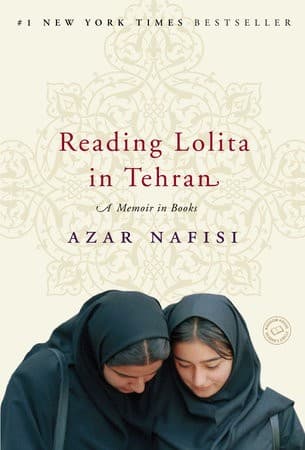
Reading Lolita in Tehran
Reading Lolita in Tehran is a memoir that recounts the experiences of Azar Nafisi and her students as they secretly gather to read forbidden Western classics in post-revolutionary Iran. The book is a powerful testament to the transformative power of literature and a poignant critique of the oppressive political climate in Iran. It has been widely acclaimed for its insightful narrative and cultural significance.

The Blind Owl
The Blind Owl is a haunting and surreal novel that delves into themes of existential despair and madness. It is considered one of the most important works of modern Iranian literature and has been influential in both Persian and world literature. The narrative explores the fragmented psyche of its protagonist, offering a deep exploration of the human condition.
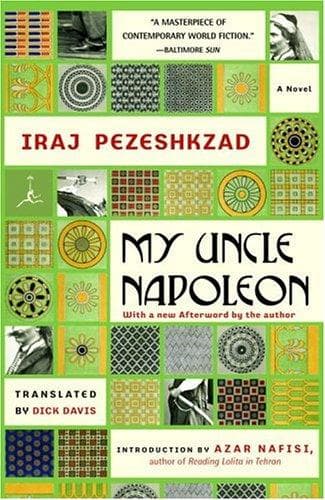
My Uncle Napoleon
My Uncle Napoleon is a satirical novel that humorously critiques Iranian society and politics through the lens of a dysfunctional family. It became immensely popular in Iran and remains a beloved classic, known for its wit and insightful social commentary. The novel's exploration of paranoia and delusion provides a humorous yet poignant reflection on human nature.
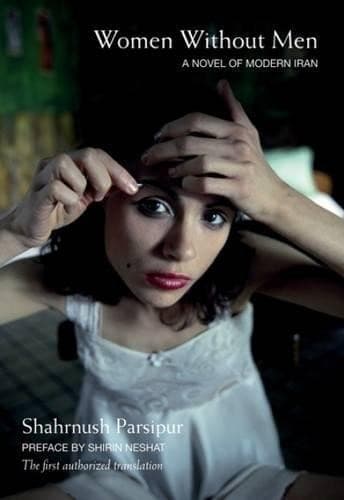
Women Without Men
Women Without Men is a magical realist novel that weaves together the stories of five women in Iran, exploring themes of gender and societal oppression. The novel is celebrated for its bold narrative style and its critique of the patriarchal structures in Iranian society. It has been praised for its imaginative storytelling and its powerful feminist message.

The Colonel
The Colonel is a gripping novel that delves into the tumultuous history of Iran, examining the impact of political upheaval on a single family. The narrative is a poignant exploration of guilt, loss, and the search for redemption. Dowlatabadi's work is acclaimed for its deep psychological insight and its unflinching portrayal of Iran's modern history.