Best Books from Kazakhstan
Recognised by major literary prizes and cultural institutions, Kazakhstan occupies a distinctive place in world literature. Its writers have drawn on a unique cultural inheritance to produce work that speaks to readers in many languages, and its literary tradition continues to develop with new voices and forms.
Top 10 from Kazakhstan

The Path of Abai
The Path of Abai is a monumental work in Kazakh literature that chronicles the life of the poet and philosopher Abai Qunanbaiuly. Through a detailed narrative, Auezov explores the cultural and social transformations in Kazakhstan during the 19th century. The novel is celebrated for its rich portrayal of Kazakh traditions and its insightful commentary on the challenges of modernization.

Nomads
Nomads is a sweeping historical epic that captures the spirit of the Kazakh people and their struggles throughout history. Yesenberlin's trilogy delves into the lives of nomadic tribes, their battles for survival, and the impact of external forces on their way of life. The series is praised for its vivid storytelling and its role in reviving interest in Kazakh history and identity.

The Silent Steppe
The Silent Steppe is a poignant memoir that recounts Shayakhmetov's experiences during the Soviet collectivization of Kazakhstan. It provides a personal perspective on the hardships faced by Kazakh families during this tumultuous period. The book is significant for its detailed depiction of the impact of Soviet policies on the lives of ordinary Kazakhs and its contribution to historical understanding.
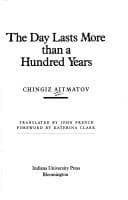
The Day Lasts More Than a Hundred Years
Although Aitmatov is often associated with Kyrgyzstan, his works are influential in Kazakh literature. This novel blends science fiction with philosophical inquiry, exploring themes of human existence and cultural identity. The story follows the life of a railway worker in the Kazakh steppes, delving into the intersection of traditional beliefs and modernity.

The Book of Words
The Book of Words is a collection of philosophical essays and poetry by Abai Qunanbaiuly, one of Kazakhstan's most revered cultural figures. The work reflects on the moral and ethical challenges of society, offering insights into human nature and the pursuit of knowledge. It remains a foundational text in Kazakh literature, celebrated for its depth and enduring relevance.