
Best Books from Senegal
Senegal's literary tradition has produced books of international significance spanning fiction, poetry, and non-fiction. The country's writers have engaged with its history, geography, and social realities in ways that have found readers far beyond its borders, and its place in world literature is secure.
Top 10 from Senegal
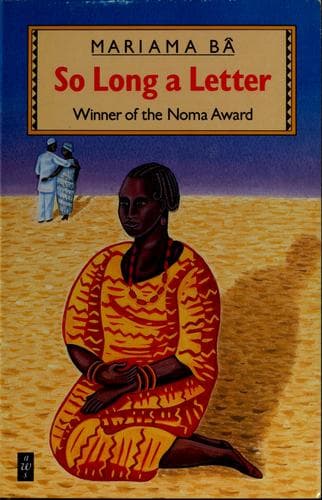
So Long a Letter
So Long a Letter is a seminal work in African literature, offering a poignant exploration of the challenges faced by women in post-colonial Senegal. Through a series of letters, the protagonist, Ramatoulaye, reflects on her life, marriage, and the societal expectations of women. The book is celebrated for its insightful critique of gender roles and its powerful narrative voice.
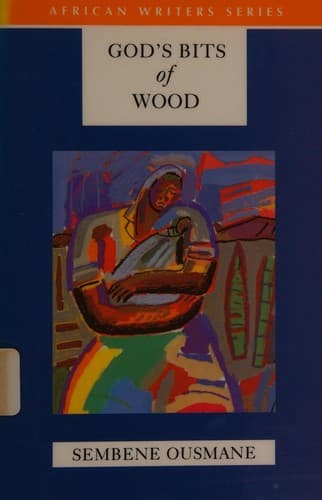
God's Bits of Wood
God's Bits of Wood is a powerful novel that depicts the 1947-48 railway strike in colonial Senegal and Mali. Through a multi-perspective narrative, Sembène highlights the struggles and resilience of the workers and their families. The novel is acclaimed for its vivid portrayal of colonial oppression and its celebration of collective action and solidarity.

The Belly of the Atlantic
The Belly of the Atlantic explores the dreams and disillusionments of migration through the story of a young Senegalese woman living in France and her brother who dreams of joining her. Diome's novel is a poignant examination of the cultural and personal conflicts faced by immigrants, and it offers a critical perspective on the allure of the West.

Ambiguous Adventure
Ambiguous Adventure is a philosophical novel that delves into the tensions between traditional African values and Western education. The protagonist, Samba Diallo, is caught between his Islamic upbringing and the secular education he receives in France. Kane's work is praised for its deep philosophical insights and its exploration of cultural identity and existential dilemmas.

Doomi Golo: The Hidden Notebooks
Doomi Golo is a groundbreaking novel written in Wolof, offering a rich narrative that spans generations and continents. Through the story of a grandfather writing to his absent grandson, Diop addresses themes of memory, history, and identity. The novel is celebrated for its linguistic innovation and its profound exploration of Senegalese culture and diaspora.