Best Books from Mexico
Recognised by major literary prizes and cultural institutions, Mexico occupies a distinctive place in world literature. Its writers have drawn on a unique cultural inheritance to produce work that speaks to readers in many languages, and its literary tradition continues to develop with new voices and forms.
Top 10 from Mexico
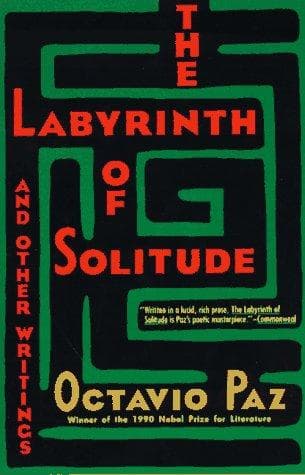
The Labyrinth of Solitude
The Labyrinth of Solitude is a profound philosophical exploration of Mexican identity by Nobel laureate Octavio Paz. Through a series of essays, Paz examines the cultural and historical factors that shape the Mexican psyche. The work is acclaimed for its insightful analysis and poetic prose, offering a deep understanding of the solitude and existential dilemmas faced by individuals in modern society.
Pedro Páramo
Juan Preciado travels to the village of Comala in search of his father Pedro Páramo and finds it populated only by murmuring ghosts. Rulfo's short masterpiece directly influenced García Márquez's One Hundred Years of Solitude and is the founding text of Latin American magical realism.
El llano en llamas
Published in 1953, El llano en llamas by Juan Rulfo is a landmark work of literary fiction that explores the complexities of human experience with depth and nuance.
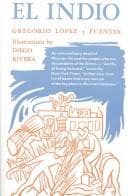
El indio
A cornerstone of the literary canon, El indio (1945) by López y Fuentes, Gregorio continues to resonate with readers worldwide.
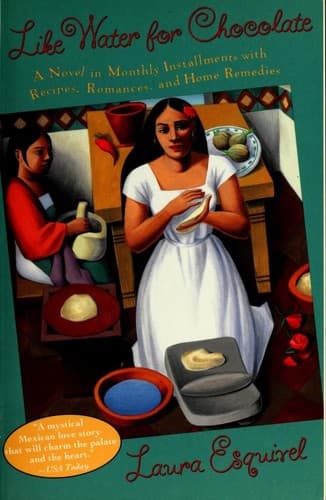
Like Water for Chocolate
Like Water for Chocolate is a magical realism novel that intertwines romance and culinary art. Set in Mexico during the early 20th century, it tells the story of Tita, a young woman whose emotions are so intense that they infuse the food she prepares, affecting those who consume it. The book is celebrated for its rich depiction of Mexican culture and its exploration of themes such as love, tradition, and family.
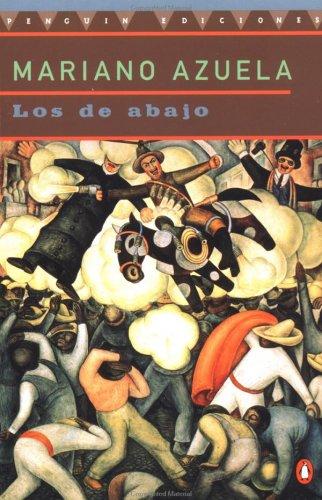
The Underdogs
The Underdogs is a classic novel set during the Mexican Revolution, written by Mariano Azuela. It follows the journey of Demetrio Macías, a peasant who becomes a revolutionary leader. The novel is praised for its realistic portrayal of the chaos and disillusionment of war, as well as its exploration of social justice and the human condition. It remains a significant work in Mexican literature and a poignant reflection on the impact of revolution.

Aura
Aura (1962) establishes Carlos Fuentes as a significant voice in literary fiction, weaving together themes of identity, memory, and transformation.
Salve Regina
Published in 2010, Salve Regina by Erica Fuentes & Annemarie Stonewater is a gripping work of mystery and suspense that keeps readers guessing until the final page.
Heavy Work Investment
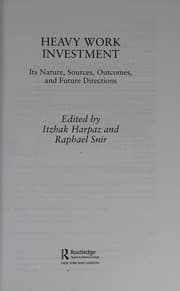
Published in 2014, Heavy Work Investment by Itzhak Harpaz is a fascinating exploration of the human mind and behavior that has changed how we understand ourselves.