Best Books from South Africa
South Africa's literary tradition is inseparable from its political history. Nadine Gordimer and J.M. Coetzee, both Nobel laureates, built bodies of work that confront apartheid, colonial history, and their aftermath with unflinching moral intelligence. Alan Paton's Cry, the Beloved Country and Athol Fugard's plays reached global audiences with the urgency of the liberation struggle. Post-apartheid South African fiction — from Zakes Mda's magical realism to Damon Galgut's Booker-winning The Promise — is working through the long aftermath of the country's extraordinary transformation.
Top 10 from South Africa
Disgrace
David Lurie, a Cape Town professor who seduces a student and loses his position, retreats to his daughter's remote farm, where a violent attack forces both of them to confront the post-apartheid South African reality. Coetzee's spare, unflinching Booker winner is a devastating study of power, shame, and the possibility of grace.
The Conservationist
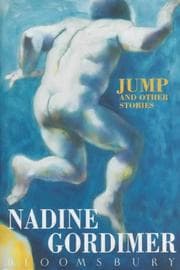
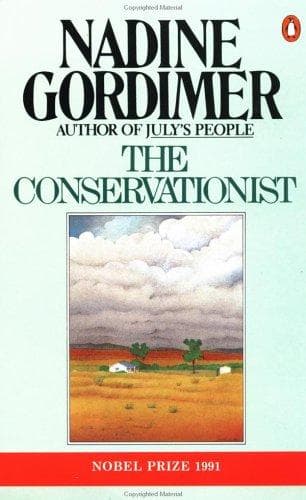
The Conservationist is a profound exploration of land ownership and identity in South Africa, written by Nobel Prize-winning author Nadine Gordimer. The novel tells the story of Mehring, a wealthy industrialist who owns a farm he barely understands. Through Mehring's interactions with the land and its people, Gordimer examines themes of alienation, colonialism, and the complex relationship between humans and nature.
Life & Times of Michael K
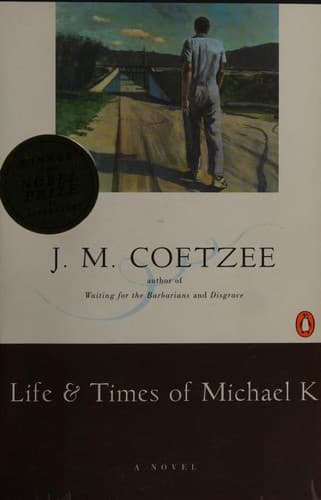
Life & Times of Michael K is a profound novel by J.M. Coetzee, exploring themes of freedom, survival, and the human condition. Set in a war-torn South Africa, the story follows Michael K, a simple man on a journey to return his mother's ashes to her rural birthplace. Coetzee's spare prose and philosophical depth earned the novel the Booker Prize, solidifying his reputation as a master of contemporary literature.
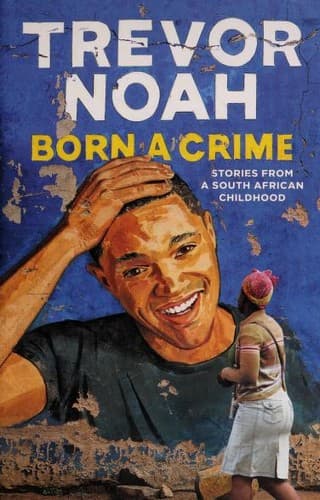
Born a Crime
Noah, the son of a Black South African woman and a white Swiss man—making his birth literally a crime under apartheid—recounts his childhood in the townships with wit, warmth, and political clarity. One of the finest memoirs of its decade.
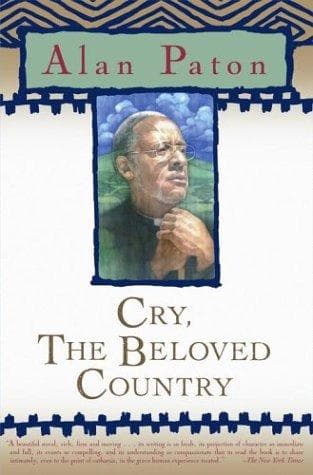
Cry, the Beloved Country
Cry, the Beloved Country is a seminal work in South African literature, offering a poignant exploration of racial injustice and social upheaval in pre-apartheid South Africa. Through the story of a black priest's journey to find his son, Paton delves into themes of compassion, reconciliation, and the deep divisions within society. The novel's lyrical prose and profound moral questions have made it a classic, resonating with readers worldwide.
July's People
July's People is a powerful novel by Nobel laureate Nadine Gordimer, set in a fictional future where apartheid has collapsed. The story follows a white family forced to flee Johannesburg and take refuge in the village of their black servant, July. Gordimer's incisive prose examines the complexities of power, race, and identity, offering a thought-provoking critique of apartheid and its aftermath.
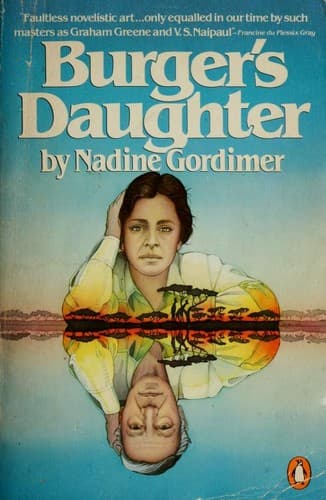
Burger's Daughter
Burger's Daughter is a compelling narrative about the struggle against apartheid, focusing on the life of Rosa Burger, the daughter of a prominent anti-apartheid activist. Through Rosa's journey of self-discovery, Gordimer explores the personal and political dimensions of resistance, identity, and legacy. The novel is a testament to Gordimer's skill in capturing the complexities of South African society.
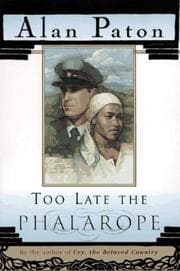
Too late the phalarope
Too late the phalarope (1950) establishes Alan Paton as a significant voice in literary fiction, weaving together themes of identity, memory, and transformation.
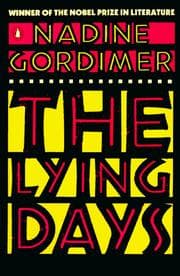
The Lying Days
A celebrated work of literary fiction, The Lying Days by Nadine Gordimer (1953) offers an unflinching examination of the human condition.
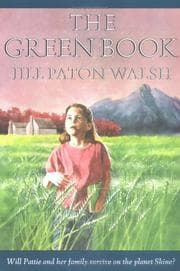
The Green Book (Sunburst Book)
The Green Book (Sunburst Book) (1981) by Jill Paton Walsh is a landmark science fiction novel that blends cutting-edge ideas with compelling storytelling.